

Emergency Treatment
How to Respond to Allergic Reactions
Clear, step-by-step instructions for using epinephrine and handling anaphylaxis - because every second counts.
If you or someone near you is experiencing a severe allergic reaction, follow these steps immediately.
Don't second-guess yourself - acting fast can save a life.
What Do You Want to Learn About?
What to Do During an Allergic Reaction
01
Recognize the Symptoms
Look for signs of anaphylaxis: difficulty breathing, throat tightness, swelling, rapid pulse, dizziness, or symptoms affecting multiple body systems. If in doubt, treat it as anaphylaxis, especially if symptoms occur after ingesting food.
02
Use Epinephrine Immediately
Remove the EpiPen from its carrier tube
Hold it firmly in your fist (don't put your thumb on either end)
Remove the blue safety cap by pulling it straight off
Place the orange tip against the outer thigh (you can inject through clothing)
Push down hard until you hear a click
Hold it in place for 5 seconds (some devices require up to 10 seconds - check your specific device)
Remove the injector and massage the injection site for 10 seconds
If symptoms are still not resolving after 5 minutes, give one more injection
03
Call 911
Tell them someone is having a severe allergic reaction and has received epinephrine. Give your location clearly. Do not drive yourself to the hospital - you need trained medical personnel monitoring you.
04
Position the Person Correctly
If they're having trouble breathing, help them sit up
If they feel dizzy or faint, have them lie down with legs elevated (unless vomiting)
If they lose consciousness, place them on their side (recovery position) to keep the airway open
05
Prepare for a Second Dose
If symptoms don't improve within 5-10 minutes or worsen, use a second EpiPen (if available). About 20-30% of people need a second dose.
06
Go to the Hospital
Even if symptoms improve dramatically, go to the emergency room. Biphasic reactions (a second wave of symptoms) can occur hours later.
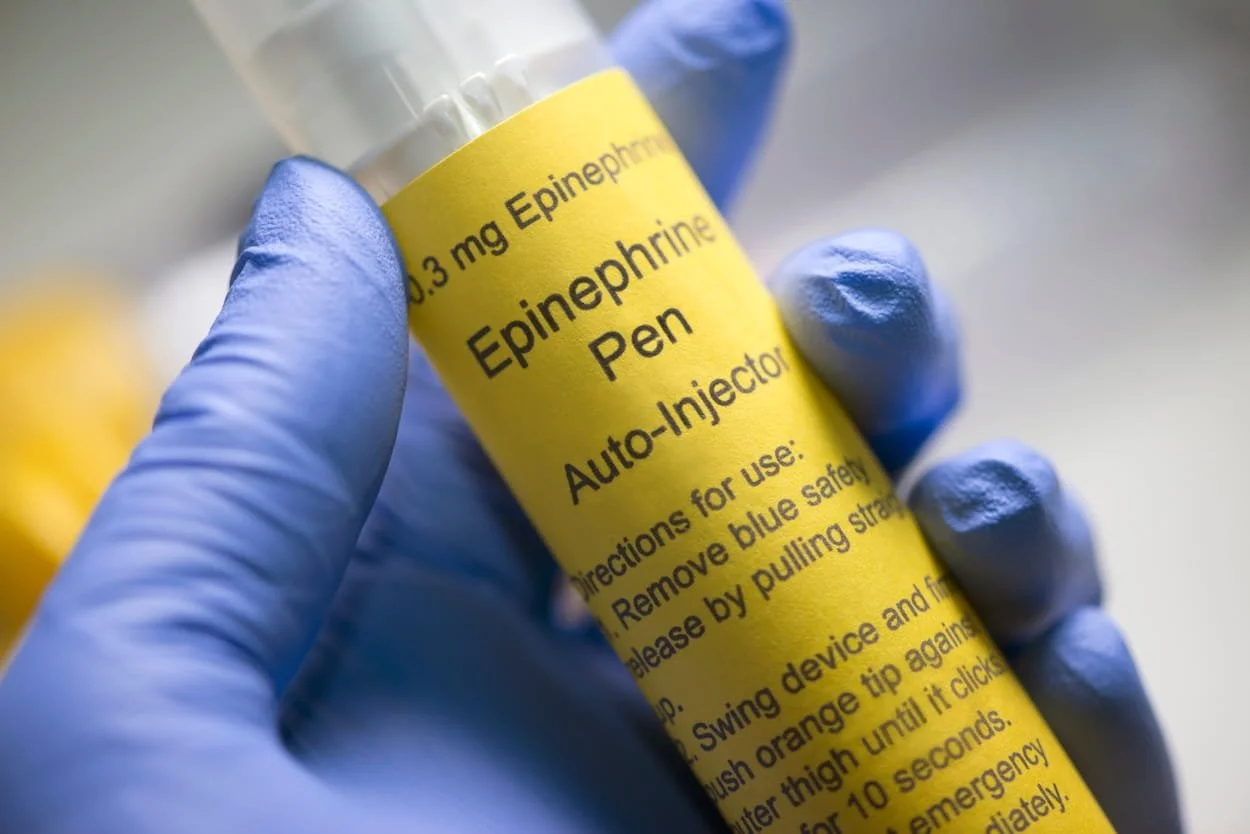
Types of Epinephrine Auto-Injectors
There are several brands of epinephrine auto-injectors available. They all work the same way, but have slight differences in how they're used:
EpiPen / EpiPen Jr.
The most common brand. Adult dose (0.3 mg) for people over 66 lbs. EpiPen Jr (0.15 mg) for children 33-66 lbs.
Auvi-Q
Provides audio instructions that talk you through the injection step-by-step - helpful in high-stress situations. Also, the size of a credit card makes it easy to transport.
Generic Epinephrine Auto-Injectors
Same medication, usually more affordable. Make sure you know how to use your specific device.
Neffy (Nasal Spray)
A newer option - nasal spray instead of injection. It requires one spray in one nostril, with a second dose in 5 minutes if no improvement. Approved for ages 4 years and older. Great option for those who are needle-phobic and easy to carry around.
Important: Know which device you carry and practice using a trainer. In an emergency, you won't have time to read instructions.
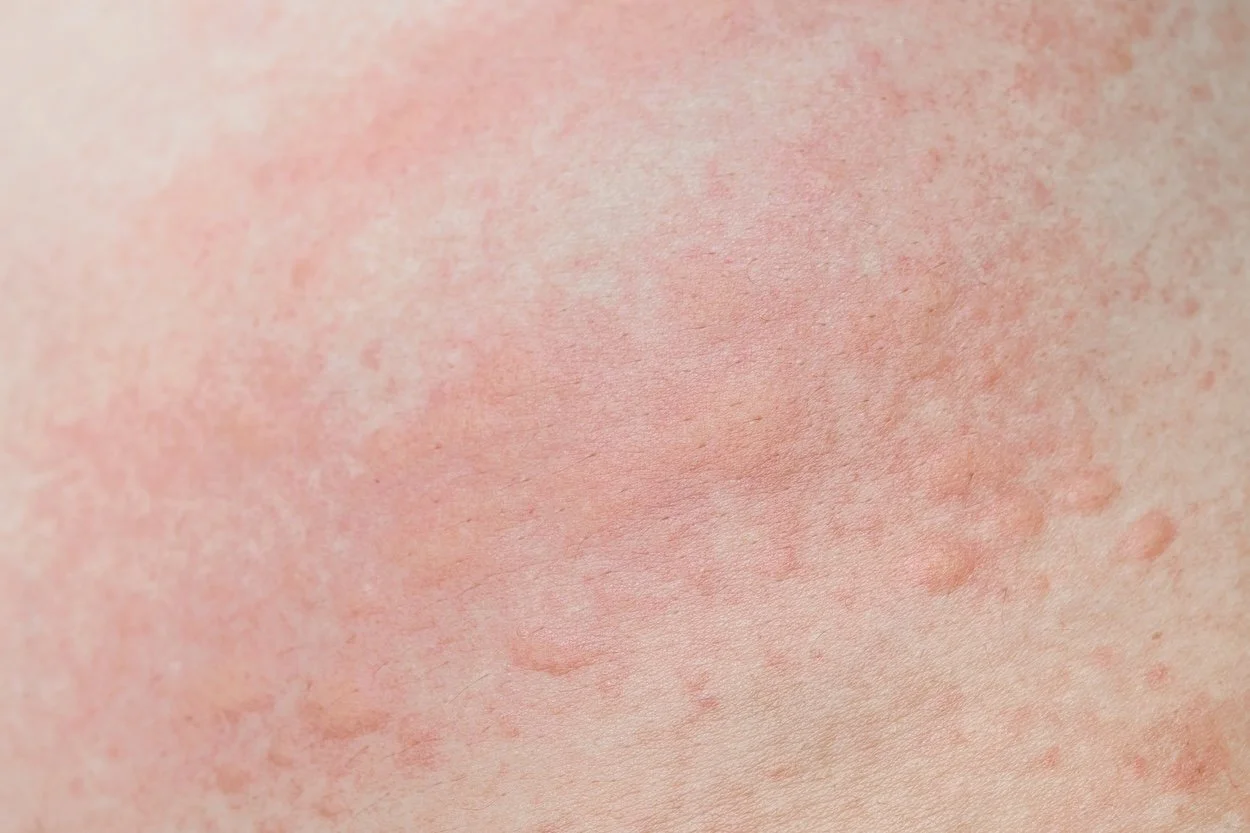
What to Expect After Using Epinephrine
Epinephrine works fast - usually within minutes. You might feel:
Rapid or pounding heartbeat
Shaky or jittery feeling
Anxiety or nervousness
Headache
Pale or flushed skin
These side effects are normal and temporary. They're a sign that the medication is working to counteract the allergic reaction. Don't let fear of side effects stop you from using epinephrine - the risks of not using it are far greater.
Most side effects resolve within 10-20 minutes. If symptoms persist or worsen, tell the paramedics or ER staff.

Why You Must Go to the Hospital
Even if you feel completely fine after using epinephrine, you need to go to the emergency room. Here's why:
Biphasic Reactions: Up to 20% of people experience a second wave of symptoms 1-8 hours after the initial reaction. These delayed reactions can be just as severe as the first.
Monitoring: Doctors will observe you for several hours to ensure your vital signs are stable and symptoms don't return.
Additional Treatment: You might receive IV fluids, oxygen, antihistamines, or steroids to help your body recover.
Skipping the hospital because you "feel fine" is dangerous. Take anaphylaxis seriously every single time.
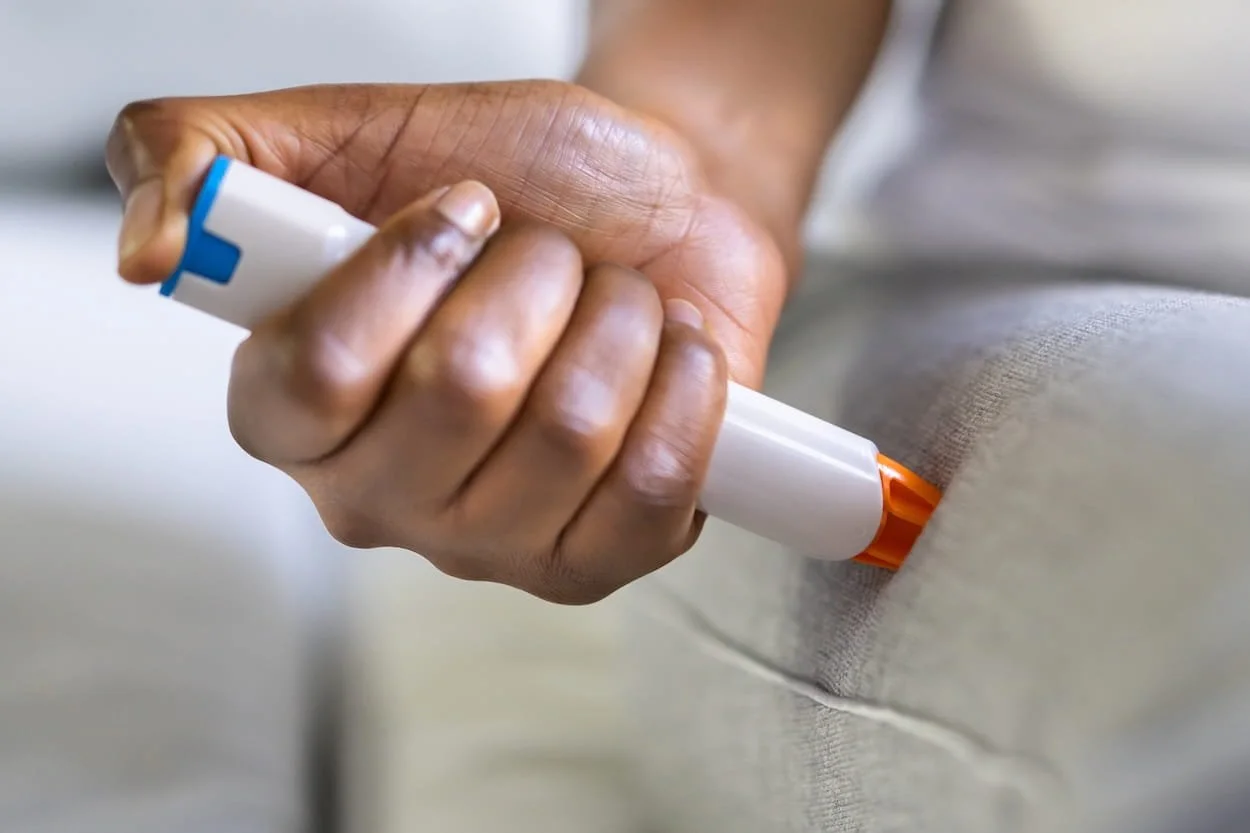
Practice Before You Need It
Most EpiPen manufacturers provide free trainer devices that look and feel like the real thing but don't have a needle. Practice using the trainer regularly so that if you ever need to use it in a real emergency, the steps are automatic.
Teach others too: Make sure your family, close friends, teachers, and coworkers know how to use your EpiPen. You might not always be able to inject yourself.
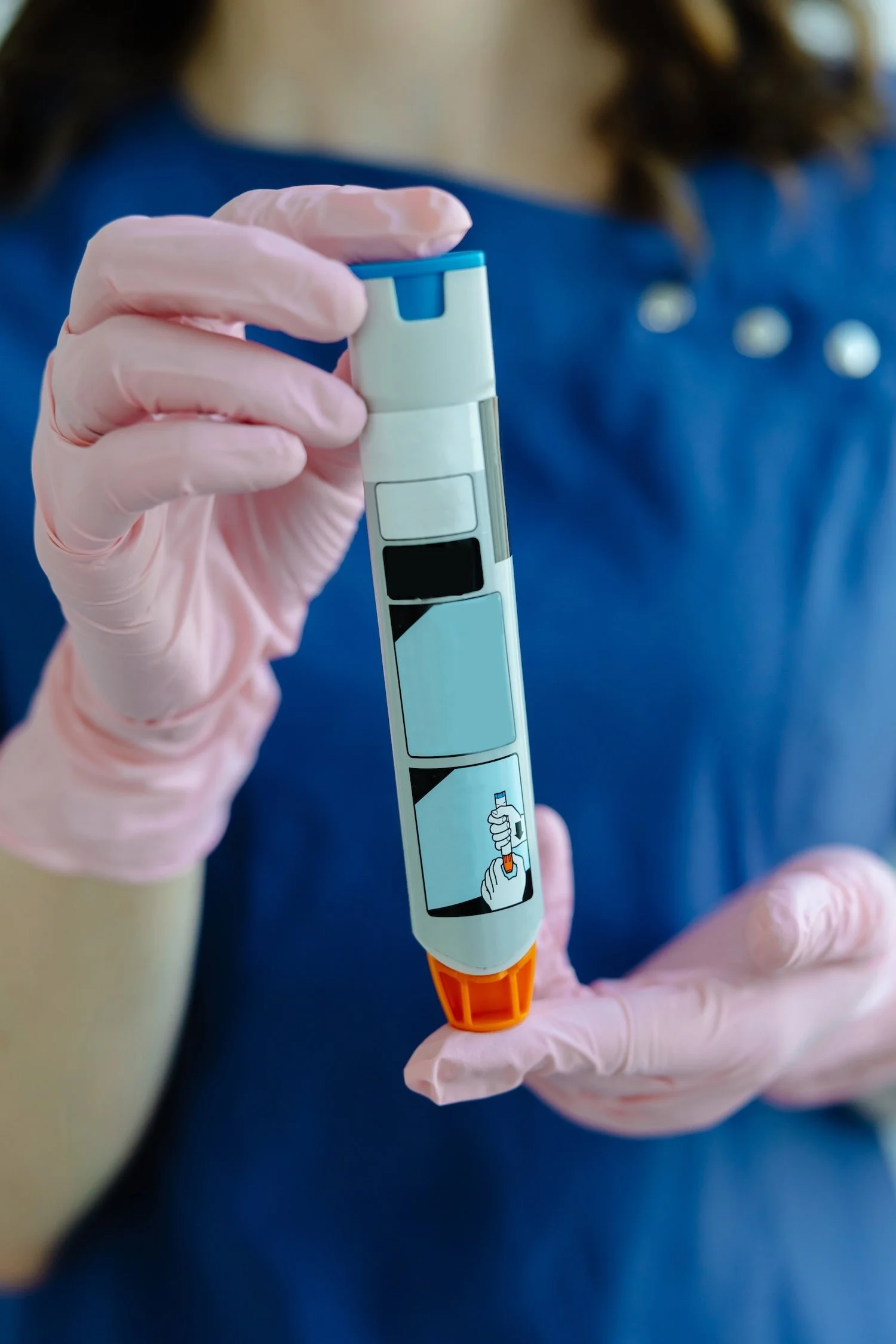
Storing Your Epinephrine Properly
Epinephrine is sensitive to temperature and light. Follow these storage tips:
Keep at room temperature (68-77°F / 20-25°C)
Avoid extreme heat or cold - don't leave in hot cars or freezing environments
Protect from light - keep in the carrier tube
Check expiration dates - mark your calendar to replace annually
Look at the solution - it should be clear. If it's brown, cloudy, or has particles, replace it
Epi pen insulated carrying cases - these are available for purchase.
Even if expired, use it if nothing else is available. An expired EpiPen is better than no EpiPen in an emergency.
Common Mistakes to Avoid
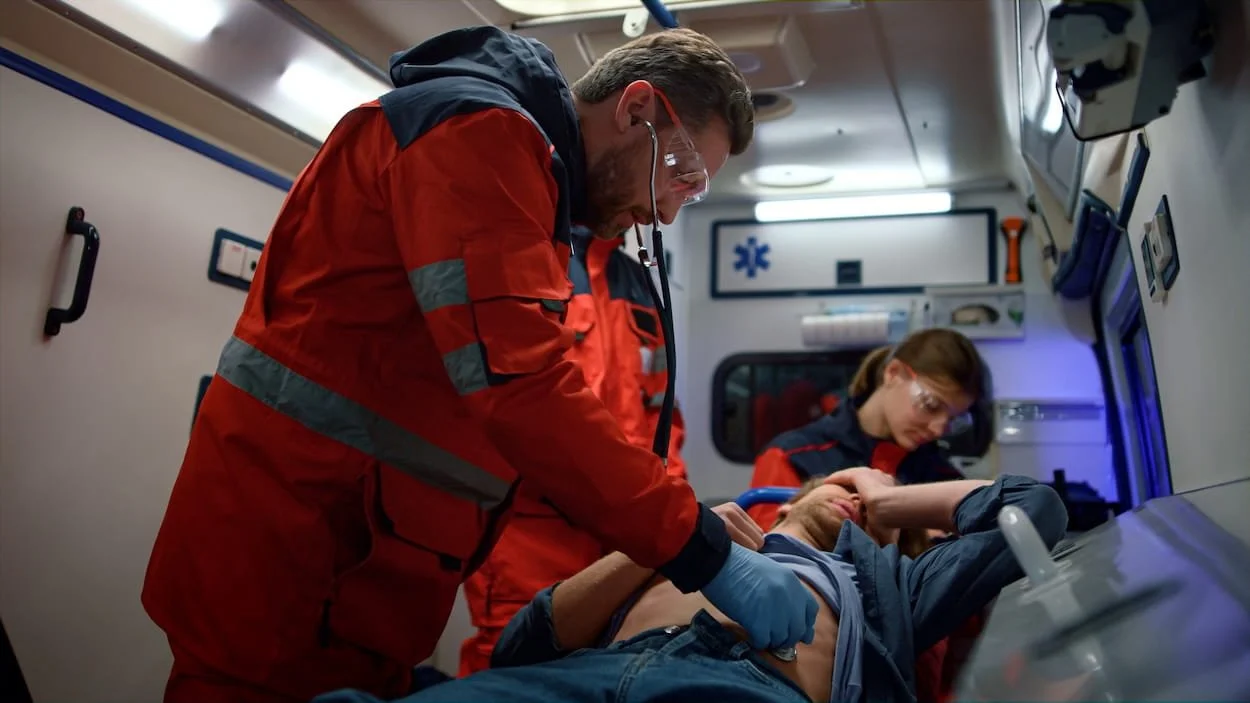
Waiting too long: Don't try to "see if it gets worse" or wait for antihistamines to work. If you suspect anaphylaxis, use epinephrine immediately. In fact, I believe antihistamines should not be part of any action plan as they can mask symptoms and do not stop the reaction.
Injecting in the wrong place: Always inject in the outer thigh, never in the buttocks, hands, or feet.
Skipping the hospital: You must go to the ER even if symptoms improve. No exceptions.
Not carrying it: Your EpiPen does nothing if it's at home when you need it. Consider keeping an additional one if available at places you frequent, such as a relative's or friend’s home.
Only having one: About 20-30% of reactions require a second dose. Carry two if possible. Also, there can rarely be a mechanical problem with the EpiPen.

How to Help Someone Having an Allergic Reaction
If you witness someone having a severe allergic reaction:
Ask if they have an EpiPen and where it is
Help them use it if they're unable to do it themselves
Call 911 immediately
Stay with them until help arrives
If they lose consciousness, place them on their side and monitor breathing
If breathing stops, begin CPR if you're trained
Good Samaritan Laws protect you from liability when helping someone in a medical emergency. Don't hesitate to act.
What About Benadryl or Antihistamines?
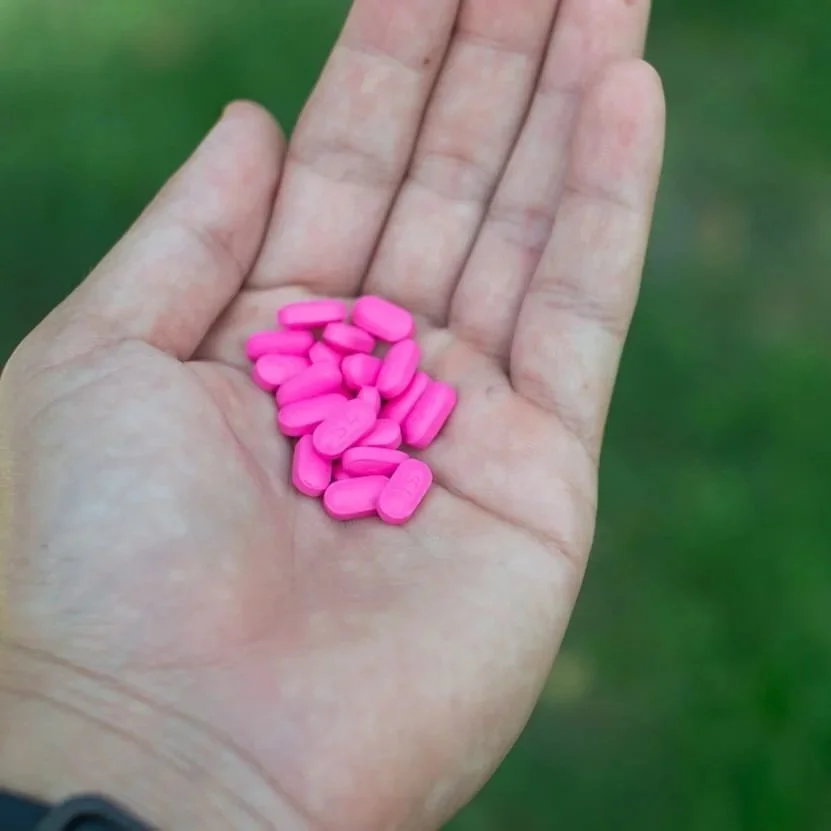
Let's be clear: antihistamines like Benadryl cannot stop anaphylaxis. They might help with mild symptoms like hives or itching, but they do nothing for life-threatening reactions.
If you're experiencing anaphylaxis, use epinephrine first. You can take Benadryl after, but never as a replacement for epinephrine.
Many people make the mistake of taking Benadryl and waiting to see if it helps. By the time they realize it's not working, the reaction has progressed and become more dangerous. Don't make this mistake.