

Signs & Symptoms
Recognizing Nut Allergy Symptoms: Act Fast
From the first signs of a reaction to life-threatening anaphylaxis, here's what to watch for and when to take action.
Allergic reactions can start within seconds of exposure or take up to two hours to appear. Knowing what to look for can make the difference between a scary moment and a medical emergency.
What Do You Want to Learn About?
Mild to Moderate Symptoms
These symptoms are uncomfortable but usually not immediately life-threatening. However, mild symptoms can escalate quickly, so never ignore them.
Skin Reactions
- Hives (raised, itchy red welts)
- Eczema flare-ups
- Redness or flushing
- Swelling of lips, face, or eyelids
- Itchy skin or rash
Mouth and Throat
- Tingling or itching in the mouth
- Itchy or scratchy throat
- Metallic taste
Digestive System
- Nausea
- Stomach cramps or pain
- Vomiting
- Diarrhea
Nose and Eyes
- Runny or stuffy nose
- Sneezing
- Itchy, watery eyes
Severe Symptoms: Anaphylaxis
Anaphylaxis is a severe, whole-body allergic reaction that can be fatal. If two or more body systems show symptoms or any of the symptoms are severe, you should act immediately and USE EPINEPHRINE and call for help. Do not wait to see if symptoms get worse - act fast.
Breathing and Respiratory
- Shortness of breath or difficulty breathing
- Wheezing or persistent cough
- Chest tightness
- Throat tightness or feeling like the throat is closing
- Hoarse voice or difficulty speaking
- Trouble swallowing
Cardiovascular
- Rapid or weak pulse
- Dizziness or lightheadedness
- Drop in blood pressure (feeling faint)
- Loss of consciousness
- Pale or blue-tinted skin (especially lips or fingernails)
Digestive (Severe)
- Severe stomach cramps
- Repetitive vomiting
- Diarrhea
Mental/Neurological
- Feeling of impending doom or panic
- Confusion or disorientation
- Slurred speech

Biphasic Reactions: The Second Wave
Here's something many people don't know: up to 20% of anaphylactic reactions come back hours after the initial symptoms seem to resolve. This is called a biphasic reaction, and it can happen even after epinephrine has been given.
What this means: Even if you feel better after using an EpiPen, you must go to the hospital and stay for observation. The second phase of a reaction can be just as severe - or worse - than the first.
Never skip the hospital visit just because you feel fine. Your body might still be reacting.

How Fast Do Reactions Happen?
Reactions can start anywhere from seconds to two hours after exposure, but most happen within minutes. The speed depends on:
How you were exposed: Eating nuts usually causes faster reactions than skin contact
Amount of allergen: Larger amounts tend to trigger faster responses
Your sensitivity: Some people react to the tiniest traces
The most dangerous reactions typically start within 5-30 minutes of exposure. This is why it's so important to have your EpiPen accessible at all times - not buried at the bottom of a backpack or left in the car.
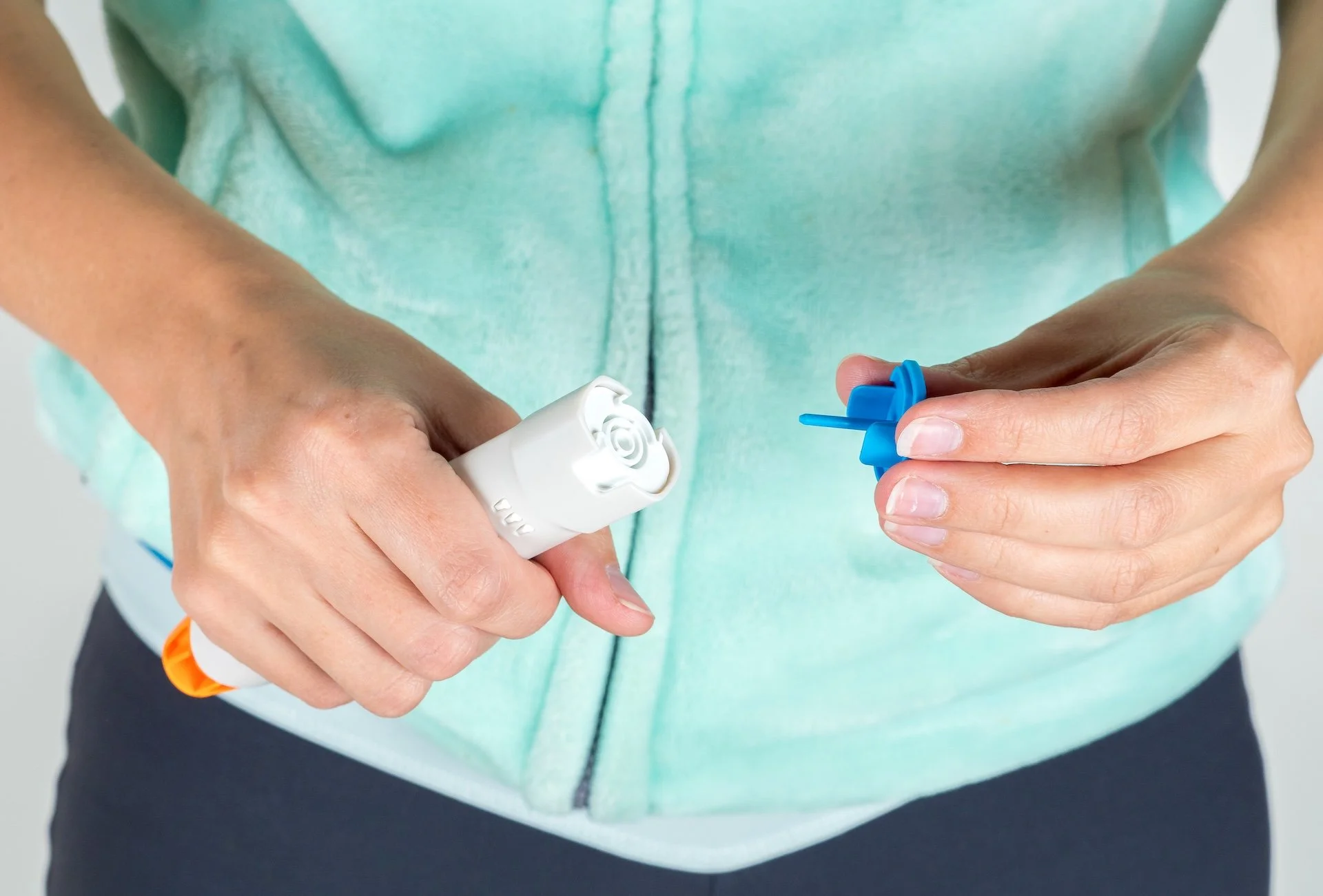
When to Use Your Epinephrine Auto-Injector
Use epinephrine immediately if you experience:
Any difficulty breathing, wheezing, or throat tightness
Swelling of the tongue or throat
Dizziness, lightheadedness, or fainting
Symptoms affecting multiple body systems (e.g., hives + vomiting, or itchy throat + stomach cramps)
Don't wait. It's always safer to use an EpiPen when you're not sure than to delay and risk anaphylaxis progressing.
After using epinephrine:
Call 911 immediately - even if symptoms improve
Lie down with legs elevated (unless vomiting or having trouble breathing)
Be prepared to use a second dose if symptoms return or don't improve within 5-10 minutes
Go to the hospital for observation

How to Recognize a Reaction in Someone Else
If you're a parent, teacher, friend, or caregiver, knowing how to spot a reaction in someone else is critical. Young children or people in distress might not be able to communicate clearly.
Watch for:
Scratching or pulling at their throat or skin
Sudden change in voice (hoarse, quiet, or strained)
Clutching their chest or stomach
Looking pale, flushed, or panicked
Difficulty standing or maintaining balance
Confusion or acting "off"
If you suspect a reaction: Ask if they have an EpiPen. If they're unable to respond or seem confused, look for a medical alert bracelet or bag with medication. Don't hesitate to call 911.