
Living Safely with Nut Allergies
Practical Tips
Real advice for navigating daily life - from reading labels to eating out to handling awkward social situations.
Managing a nut allergy means being proactive, not paranoid. These strategies will help you stay safe without feeling like you're missing out on life.
What Do You Want to Learn About?
How to Read Food Labels Like a Pro
Reading labels is your first line of defense. Here's what to look for:
Check Every Single Time
Manufacturers change ingredients without warning. Even if you've eaten something before, check the label again. Companies aren't required to announce reformulations, and "new recipe" might mean "now contains tree nuts."
Ingredient List
Scan for obvious nut names: peanuts, almonds, cashews, walnuts, pecans, hazelnuts, pistachios, macadamia nuts, Brazil nuts. But also watch for:
- Nut butters or nut oils
- Marzipan (almond paste)
- Nougat can contain almonds, pistachios, hazelnut, walnuts
- Praline can contain pecans, almonds, or hazelnut
- Gianduja can contain hazelnut
- Mandelonas (peanuts soaked in almond flavoring)
Allergen Statements
Look for bold warnings like:
- "Contains: Tree Nuts, Peanuts"
- "May contain traces of peanuts"
- "Manufactured in a facility that processes tree nuts"
- "Produced on equipment shared with peanuts"
"May Contain" Is Not Optional
Some people think "may contain" warnings are overly cautious. They're not. Cross-contamination is real and can cause serious reactions.
Understanding Cross-Contamination
Cross-contamination happens when a safe food comes into contact with an allergen. This can occur:
In Manufacturing
- Shared equipment that processes multiple products
- Airborne particles in facilities
- Residue left on conveyor belts or mixing bowls
At Home
- Using the same cutting board or knife for nut-containing and nut-free foods
- Not washing hands after handling nuts
- Double-dipping spreaders (like using a knife that touched peanut butter in a jelly jar)
In Restaurants
- Shared fryers (for example, fries cooked in the same oil as nut-breaded items)
- Shared prep surfaces or utensils
- Staff not changing gloves between dishes
How to Minimize Risk
- Keep nut-containing foods separate in your home
- Wash hands, utensils, and surfaces thoroughly after contact with nuts
- Be vocal about your allergy when eating out
How to Eat Out Without Fear
Eating at restaurants can be stressful, but it's manageable with the right approach:
Do Your Research First
Many restaurants post allergen menus online. Check before you go. Some cuisines are riskier (Thai, Chinese, Indian, and dessert places often use nuts heavily) - know what you're walking into.
Speak Up Clearly
When you arrive, tell your server (and ask them to tell the kitchen):
"I have a severe nut allergy. Even a tiny amount can cause a life-threatening reaction."
Don't downplay it or apologize. Some restaurants have the chef or a senior staff member come out with the food, verifying it’s allergy safe.
Ask Specific Questions
"Is there any chance this dish contains nuts or was prepared near nuts or could be cross-contaminated?"
"Do you use shared fryers or cooking surfaces?"
"Can you prepare my food on clean equipment with clean utensils?"
Avoid High-Risk Foods
Skip items that are likely to contain hidden nuts:
Sauces (peanut sauce, pesto, romesco)
Baked goods (cross-contamination is common)
Ice cream (shared scoops)
Asian cuisine (unless the restaurant is very allergy-aware)
Smoothies (cross-contamination is common)
Trust Your Gut
If the server seems confused or dismissive, if the restaurant feels chaotic, or if you're just not comfortable - leave. It's not worth the risk.
Carry a Restaurant Card
Print a small card that explains your allergy in clear terms. Hand it to the server and ask them to show it to the chef. This ensures nothing gets lost in translation.

Navigating Social Situations
Eating at restaurants can be stressful, but it's manageable with the right approach:
Having a nut allergy doesn't mean you can't have a social life - it just means you need to be prepared.
Birthday Parties & Events
Ask beforehand what will be served, or offer to bring your own food. Most hosts appreciate it because it takes the pressure off them. If you're comfortable, you can also suggest nut-free alternatives so you can eat what everyone else is eating, or if you can see food labels.
School & Work Lunches
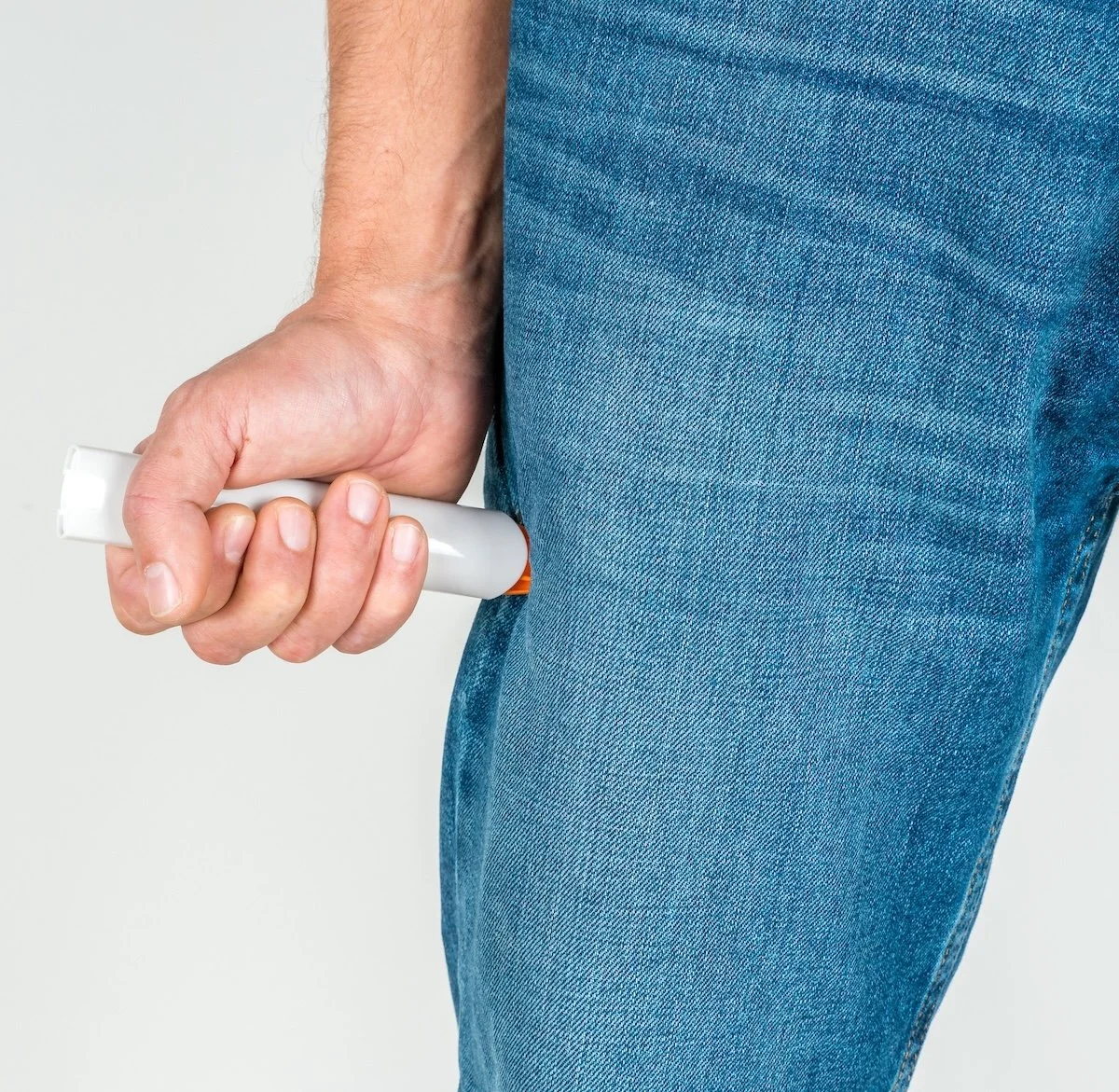
Sit away from people eating nuts if cross-contact is a concern. Wipe down tables before eating. Keep your EpiPen on you, not in a locker or desk drawer.
Sleepovers & Travel
Bring your own snacks and breakfast items. Talk to the host ahead of time about your allergy. Make sure they know where your EpiPen is and how to use it.
Dating & Relationships
This one's awkward but important: if someone you're dating eats nuts, they need to brush their teeth and wash their hands before kissing you. Yes, reactions can happen from kissing. Yes, you need to have this conversation.
Dealing with Peer Pressure
People might say things like "just try a little" or "you're being dramatic." Stand your ground. Do not let anyone pressure you to eat something unsafe.
Going to College
In a new town, you may not be familiar with the restaurants, especially if not chain restaurants. It’s safest to eat in places that have a food allergy menu
Staying Safe at School and Work
Spend a lot of time at school or work? Here's how to stay safe:
Communication Is Key
Make sure teachers, school nurses, bosses, and coworkers know about your allergy.
Keep Medication Accessible
Don't lock your EpiPen in a locker or office drawer. Keep it with you or in a designated, easy-to-access spot. Make sure at least one other person knows where it is.
Create a 504 Plan (School)
If you're in school, work with your parents and school administrators to create a 504 plan. This legally protects you and ensures accommodations like having EpiPens accessible, nut-free lunch tables, or alternatives during food-related activities. Many schools allow self-carry of Epi-pens in your bag with a doctor’s note.
Workplace Accommodations
Talk to HR about your allergy. Depending on your job, you might need accommodations like nut-free break rooms or advance notice before office events with food.

Traveling with Nut Allergies
Traveling requires extra planning, but it's absolutely doable:
Pack Medication
Bring multiple EpiPens (at least two). Keep one in your carry-on and one in checked luggage. Bring a letter from your doctor explaining your condition - some countries require documentation for carrying syringes.
Research Food Options
Look up restaurants and grocery stores near where you're staying. Download translation cards if traveling internationally so you can communicate your allergy in the local language.
Notify Airlines
Call ahead to request a nut-free meal. Some airlines will make announcements asking other passengers not to eat nuts. Wipe down tray tables and armrests before settling in. Some airlines routinely serve nuts in certain cabins, like Southwest and American.
Bring Safe Snacks
Pack your own food for flights, road trips, and excursions. Don't rely on finding safe options when you're hungry and traveling.
Wear a Medical Alert Bracelet
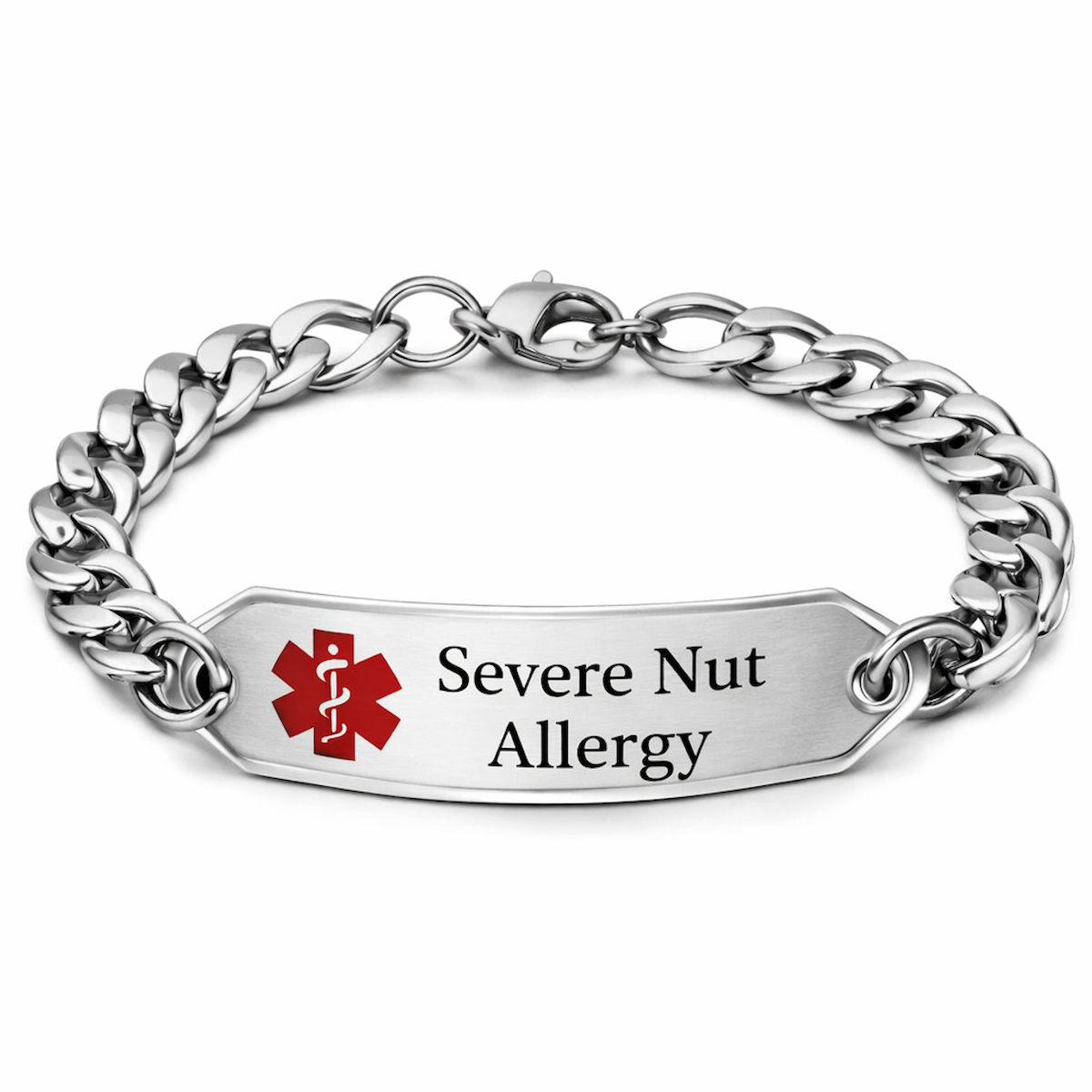
A medical alert bracelet or necklace tells first responders about your allergy if you're unable to communicate. This is especially important if you lose consciousness during a reaction.
Look for bracelets that clearly state:
"Severe Nut Allergy"
"Anaphylaxis"
"Epinephrine Required"
They are not always fashionable, but they could save your life.

Living Fully, Not Fearfully
It's easy to let a nut allergy make you feel anxious or limited. But here's the truth: you can live a full, adventurous life while managing your allergy. It just takes preparation and confidence.
Preparation is empowerment. When you've read the label, asked the questions, and have your EpiPen ready, you're not helpless - you're in control.
Don't apologize for your allergy. It's not an inconvenience you're imposing on others. It's a serious medical condition, and anyone who treats it otherwise isn't worth your time.
Find your people. Connect with others who have food allergies. You'll feel less alone and learn new tips for navigating tricky situations.
You're not defined by your allergy. You're someone who happens to have an allergy - and you're handling it like a pro.