

Understanding Nut Allergies
What Happens During an Allergic Reaction?
A nut allergy happens when your immune system identifies proteins in nuts as dangerous invaders (even though they're harmless to most people). When someone with a nut allergy eats or touches nuts, their immune system goes into overdrive, releasing chemicals like histamine to fight off the "threat."
This overreaction causes the symptoms we associate with allergic reactions: hives, swelling, difficulty breathing, nausea, and vomiting, and the reaction can be life-threatening (anaphylaxis). The scary part? Your immune system doesn't forget. Every time you're exposed to that allergen, the reaction can happen again - and it can be unpredictable.
What Do You Want to Learn About?
Peanuts vs. Tree Nuts: What You Need to Know
Not all nut allergies are the same. There are two main categories:
-
Peanut Allergies
Despite the name, peanuts aren't actually nuts - they're legumes (like beans and lentils). But peanut allergies are one of the most common and serious food allergies. If you're allergic to peanuts, you might also react to other legumes.
-
Tree Nut Allergies
Tree nuts include almonds, walnuts, cashews, pecans, hazelnuts, pistachios, Brazil nuts, and macadamia nuts. If you're allergic to one tree nut, there's a good chance you might be allergic to others because their proteins are similar. That's why doctors often recommend avoiding all tree nuts if you're allergic to any of them.
-
Can You Have Both?
Absolutely. I have both peanut and tree nut allergies, and about 25-40% of people with peanut allergies also have tree nut allergies.
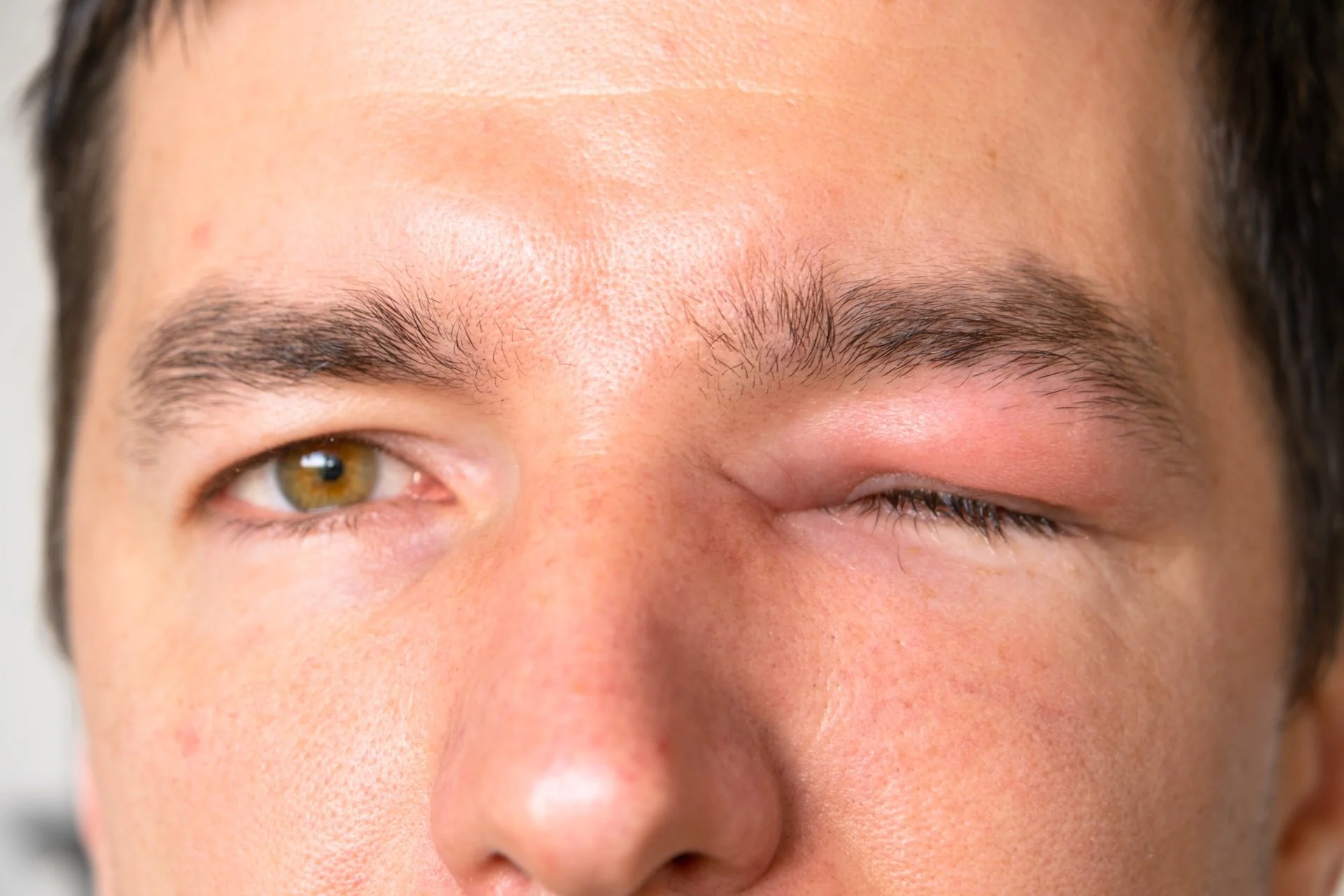
Why Some Reactions Are Worse Than Others
Not all allergic reactions look the same. Some people might get mild hives or an itchy mouth, while others experience life-threatening anaphylaxis within minutes. The tricky part? Even if you've only had mild reactions in the past, there's no way to predict how severe your next reaction will be.
Factors that influence severity:
Amount of exposure: Sometimes, even a tiny trace amount can trigger a reaction
Your body's current state: Being sick, stressed, or exercising can make reactions worse
How you were exposed: Eating nuts usually causes more severe reactions than just touching them
Time since last exposure: There's no pattern - reactions can vary every single time
This unpredictability is exactly why people with nut allergies need to carry epinephrine and take every exposure seriously, even if past reactions have been mild.
Cross-Reactivity: When One Allergy Leads to Another
If you're allergic to one type of tree nut, you might wonder if you're safe eating other tree nuts. Unfortunately, cross-reactivity is common with tree nuts because their protein structures are similar. Your immune system might recognize a walnut as a threat and decide cashews look suspicious, too.
That's why allergists often recommend avoiding all tree nuts if you're allergic to any of them - it's the safest approach. However, some people with tree nut allergies can safely eat peanuts (and vice versa) because peanuts and tree nuts are botanically different.
The bottom line? Get tested by an allergist and follow their specific recommendations for your situation. Don't play guessing games with your safety.

How Nut Allergies Are Diagnosed
If you suspect a nut allergy, seeing an allergist is the first step. They'll likely do one or both of these tests:
Skin Prick Test: A small amount of allergen is placed on your skin (usually your forearm or back), and the skin is pricked. If you're allergic, you'll develop a small raised bump within 15-20 minutes.
Blood Test: This measures the level of allergy-related antibodies (IgE) in your blood. Higher levels can indicate an allergy.
Sometimes doctors also do oral food challenges in a controlled medical setting to confirm whether you truly react to a specific food. This should only be done under professional supervision - never try testing an allergy at home.
Nut Allergies Are More Common Than You Think
1-2%
Of the U.S. Population has a nut allergy
#1
Peanut allergies are a leading cause of food allergy deaths
3X
Number of children with peanut allergies have tripled in recent decades
20%
Of children outgrow peanut allergies (tree nut allergies are even less likely to be outgrown)
Common Myths (and the Truth)
You can outgrow a nut allergy?
While some children do outgrow peanut allergies, it's rare (only about 20%), and tree nut allergies almost never go away. Don't assume you're "over it" without testing from an allergist.
A little bit won't hurt.
Even trace amounts can trigger severe reactions. Cross-contamination is real, and what seems like "just a tiny bit" can still be life-threatening.
If you've only had mild reactions, you don't need to carry an EpiPen.
Past reactions don't predict future reactions. Severity can change without warning, which is why everyone with a nut allergy should have epinephrine available.
Benadryl can stop an allergic reaction.
Antihistamines like Benadryl might help with mild symptoms (hives, itching), but they cannot stop anaphylaxis. Only epinephrine can reverse a severe reaction.